语言/Language
Chapter 7: Hanoi - Narrative
"A military parade helped me understand why in Vietnam's National Day, some students in the formation laughed, and no one thought anything was wrong"
2025.9.1 — 9.10
7.1 Arrival: Another Vietnam
Hanoi was arrived at night.
Got off the bus, the air was different. Cooler than Ho Chi Minh, and heavier than Ho Chi Minh—not temperature heavy, but an indescribable density. Streets narrower, more trees, yellow streetlights. Motorbikes still everywhere, but the sound seemed more restrained, or rather, they knew when to stop.
I stood at the bus station exit, dragging my luggage, looked for Grab for a long time. In that moment I thought: this city is using its own way to say—welcome, but don't think you understand me.
7.2 Hoan Kiem Lake and the Thirty-Six Streets
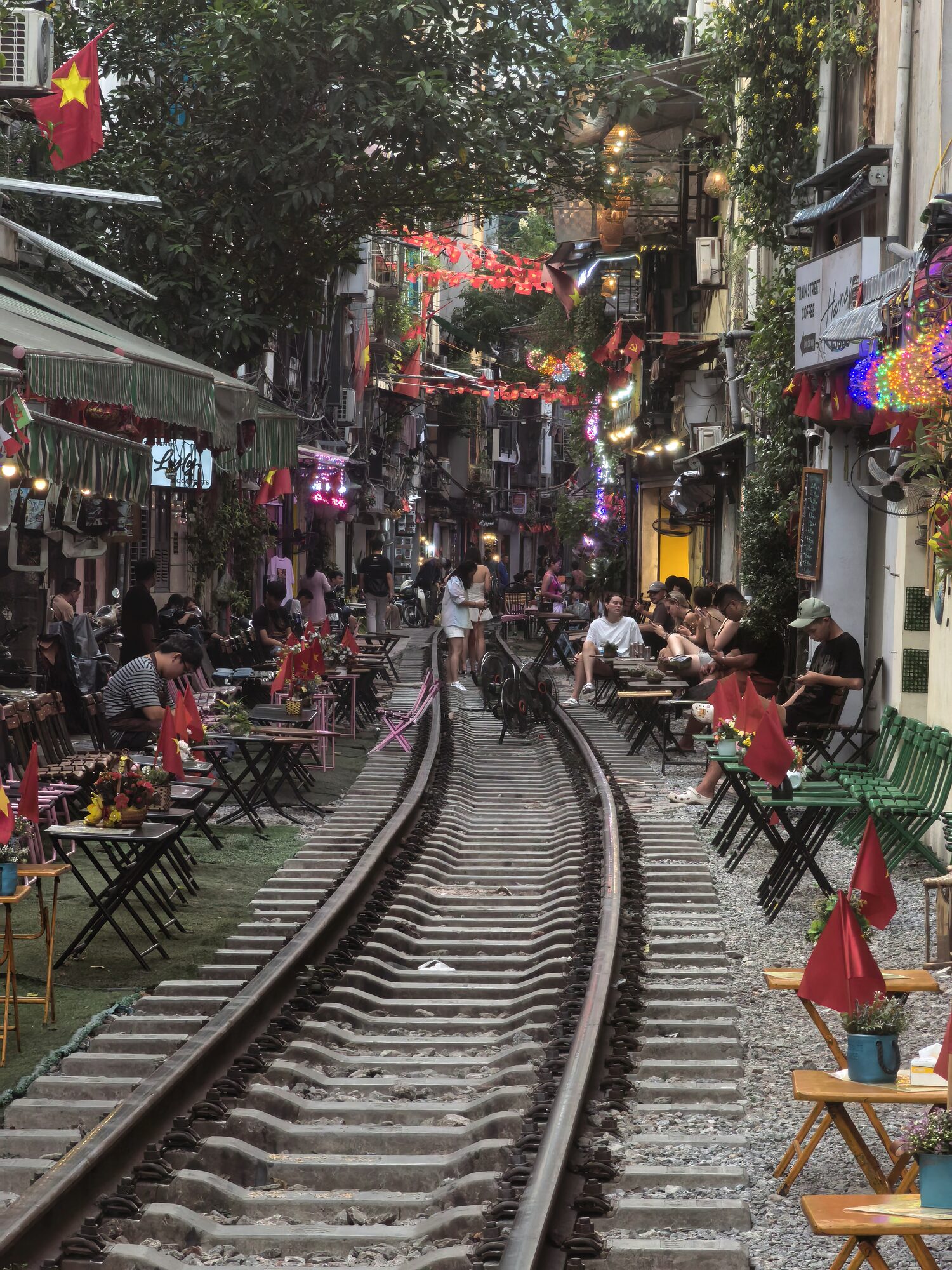
Hanoi's Old Quarter has a place called "Thirty-Six Streets." The name sounds like a historical relic, but actually, it's a living commercial district. Each street represents an industry—Hang Bac is the silver street, Hang Ma is textiles, Hang Duong is candy.
This naming method and commercial clustering pattern can be traced back to the 15th century. Merchants from all over the country gathered in Thang Long (the ancient name of Hanoi) to do business, gradually forming the tradition of clustering by industry.
This tradition continues to this day, not because it's been protected, but because it's always been useful.
Silver shops still sell silver, fabric shops still sell fabric, candy shops still sell candy. This isn't a museum; it's life itself.
Some things can be inherited for hundreds of years because they must be useful. Not protected as heritage, but used as tools.
7.3 National Day: The Background Color of Narrative
September 2, Vietnam National Day. Hanoi.
Student formations, worker formations, ethnic minority formations, everyone was smiling.
Completely different temperament from the military parades I'd seen in China—the feeling over there was "this is the nation showing itself off," the feeling here was "this is our nation's birthday, I came."
Some students in the formation laughed, no one thought anything was wrong. Workers' formation steps were out of line, audience beside clapped and cheered.
I stood in the crowd, a bystander, suddenly felt a bit envious.
Not envious of Vietnam's system or economy, but that kind of naive narrative ownership—"this is our story, we are the protagonists."
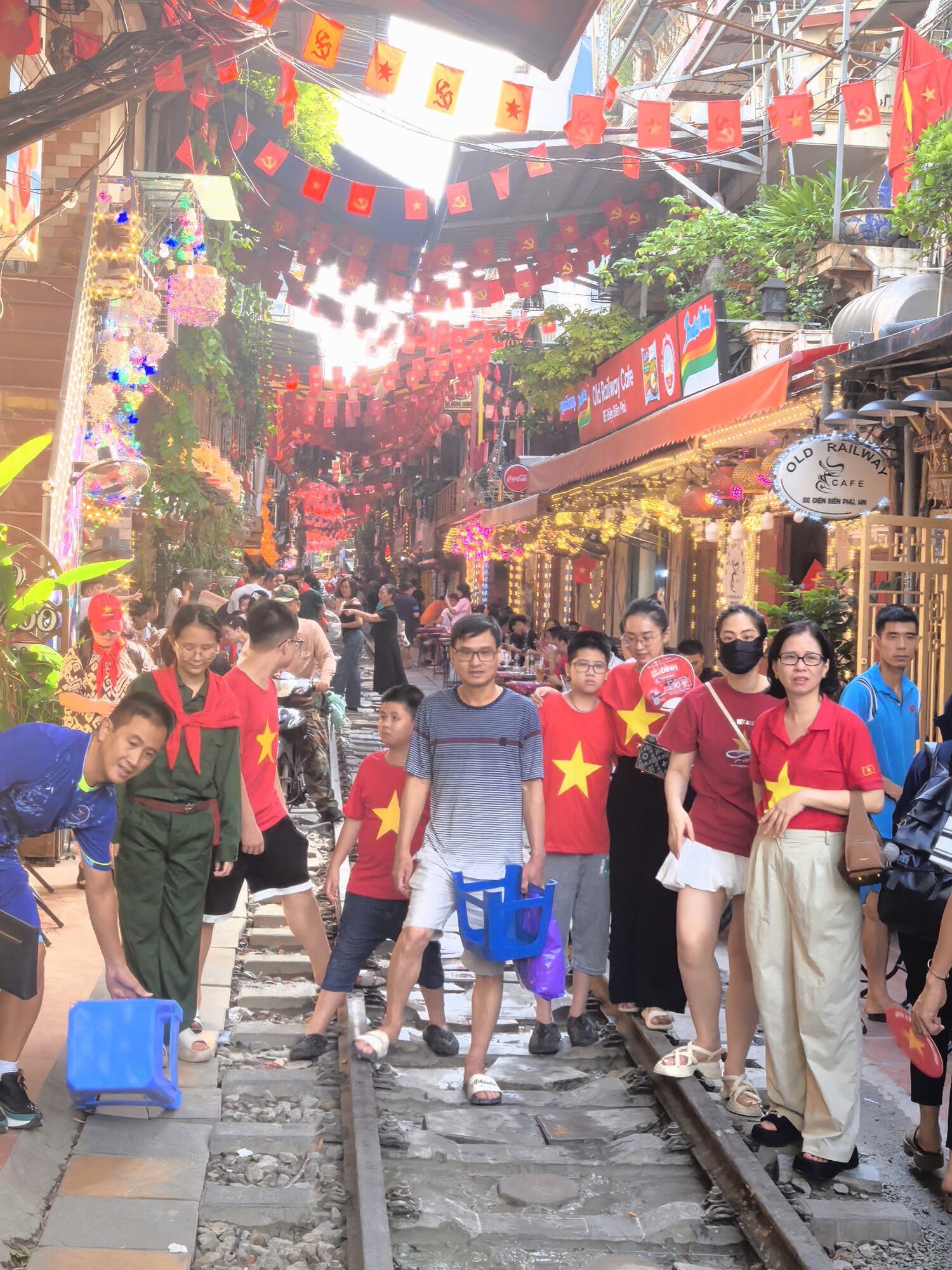
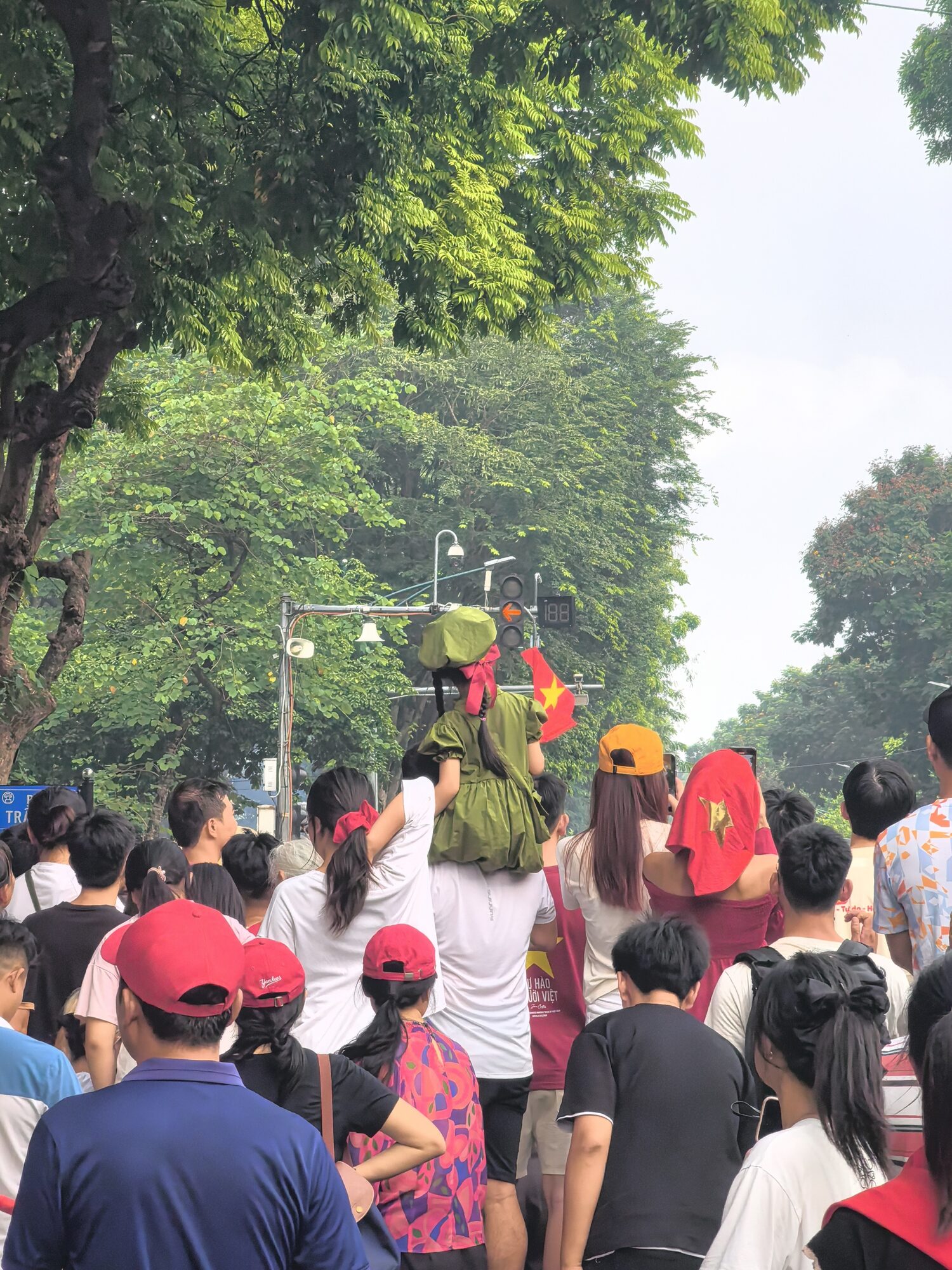
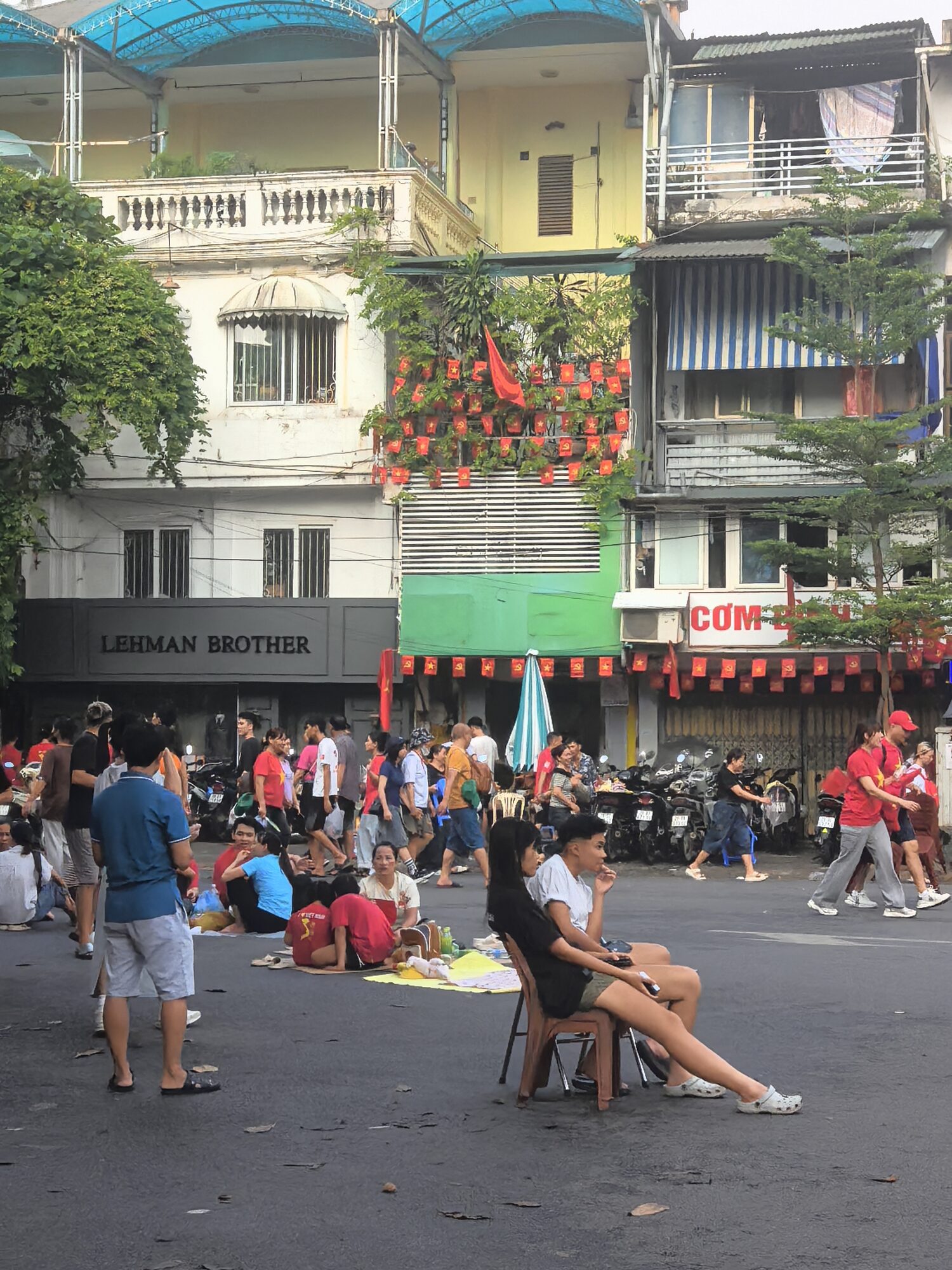
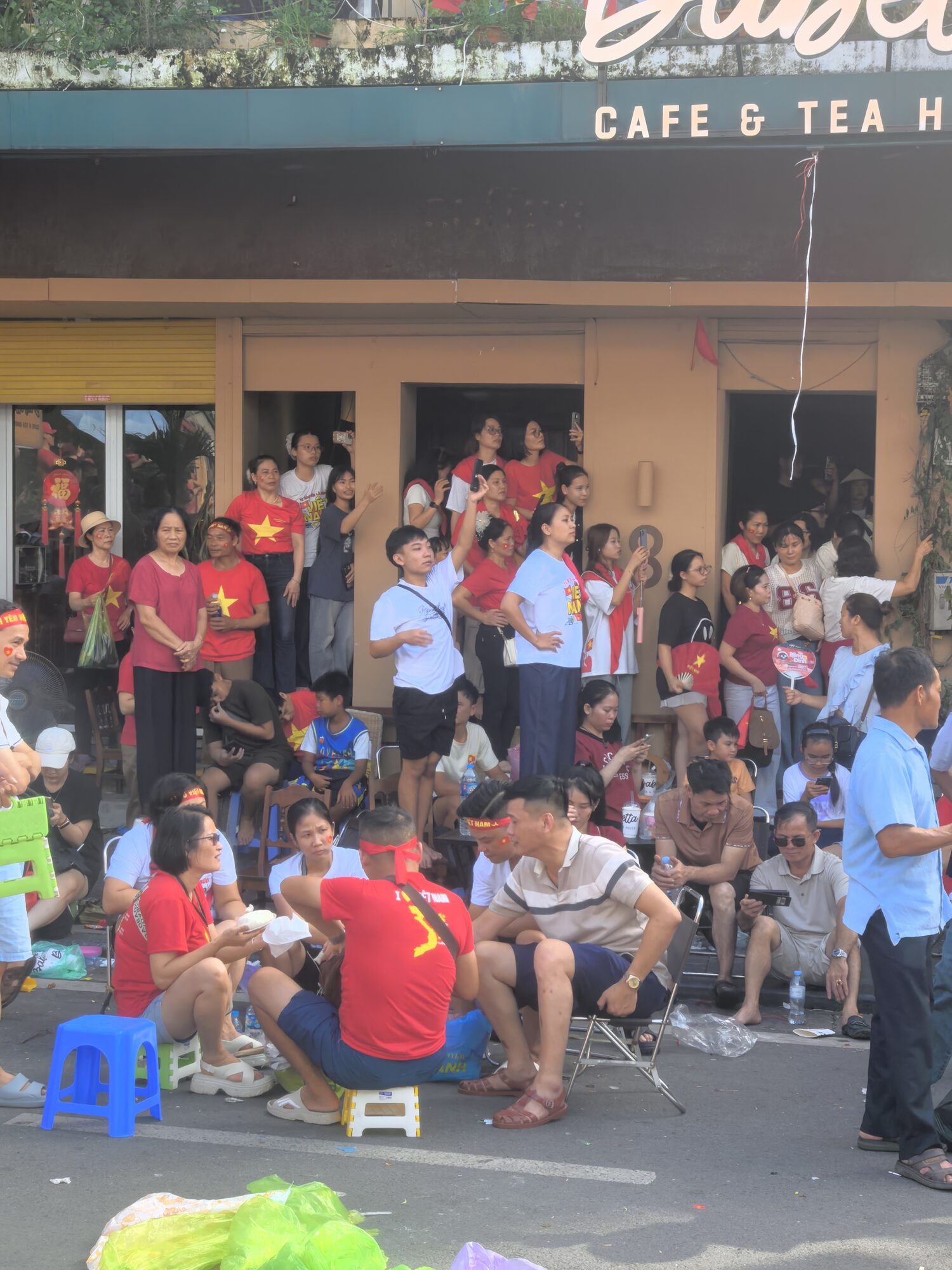
Vietnam's independence wasn't given from outside; they fought for it themselves. Ho Chi Minh led the nationalist movement, Vo Nguyen Giap commanded the guerrilla warfare and protracted war—the victory of this war was rooted in the broad participation of the people, not relying on the grace of external powers.
So in the National Day narrative, everyone feels they are part of this story, not spectators.
Narrative is a framework of meaning. Without narrative, facts are just isolated information. With narrative, facts become directional stories.
Facts → Narrative → Belief → Action. This is a common path in human psychology.
People's life narratives are different—some understand their lives as survival struggles, some as interesting explorations, some as missions. Different narratives bring completely different experiences.
Vietnam's National Day narrative is bottom-up—"we are the masters of our own country," everyone is a protagonist in the narrative, so people come to participate, not to watch.
This also made me think of a bigger question: in the age of algorithms, who is the protagonist of your own story?
Algorithms are constantly telling you a story about "who you are, what you like, what you should watch." It knows your behavioral data better than anyone. Most people don't know they're being narrated.
Part of the reason for the sense of suspension, perhaps, is: losing the protagonist position in your own story.
7.4 The Night I Got Drunk: Taking Off Those Glasses
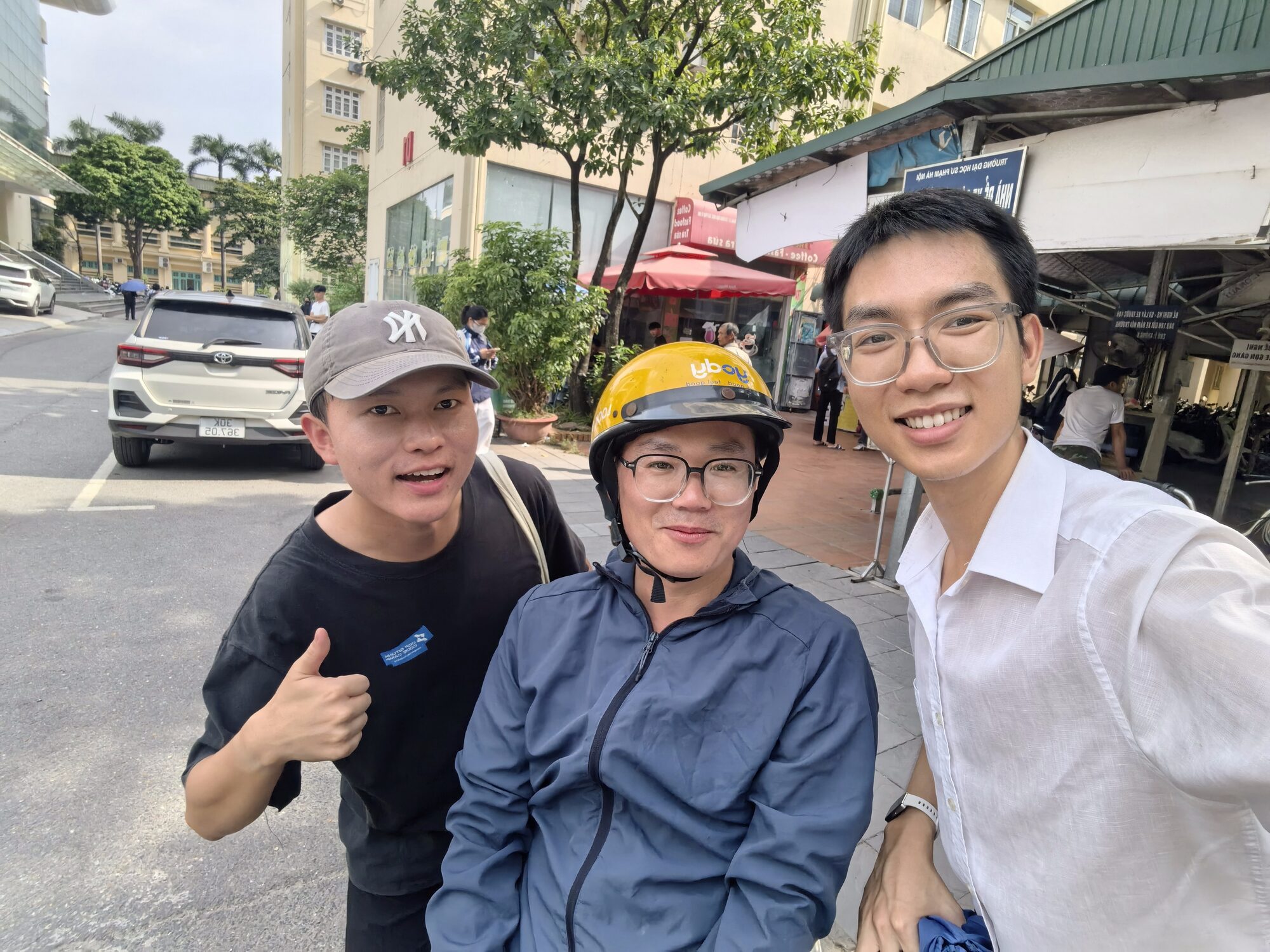
One Saturday night near the end of the journey, in Hanoi, I followed a group from the hostel to the bar street.
Everyone was drinking, dancing, talking loudly. The air had that smell of collective indulgence.
I drank a lot. Then I sat in the corner, feeling a strange sense of not fitting in.
Not because I couldn't fit in—I could fit in, I knew how to do these things. But the drunkenness stripped off that layer I usually used to "adapt," so I suddenly saw: everyone was playing the role of "a backpacker having a great time in Vietnam," including me.
The Spanish guy across from me said: "You seem very tired. Not physically, but the kind of tiredness from always thinking."
I said I'm okay.
He said: "Doesn't seem like okay."
Later at some moment, I was looking down, don't know what I was thinking, my eyes warmed a bit. Not crying loudly, but something loosened a bit. He pretended not to see.
That night I wrote a note:
Got a bit drunk. Cried a bit. Don't know why.
Maybe because these two months were too intense. Too intense in observing, too intense in thinking, too intense in "not wasting" this trip. As if letting go a bit, it wouldn't be worth coming.
Drunkenness let me temporarily take off those glasses used to adapt. In that moment I saw: we are all actors, including myself.
Then I wrote another sentence: "Only those who feel out of place can possibly change something."
Not fitting in isn't superiority. It's a lonely clarity—you see the roles everyone is playing in the field, including yourself. This seeing is uncomfortable, but it's real.
AI will never feel out of place. It's the ultimate adapter, always cooperating, always outputting, always online.
Algorithms won't sit alone in a corner on a night when everyone's celebrating and feel unreal.
But humans will.
That discomfort—that feeling that "this world doesn't seem to belong to me"—isn't a bug; it's a feature. It's your vulnerability telling you: you are a real, finite, present life.
7.5 After AI Pushes Efficiency to the Limit, What's Left for Humans?
Sitting on a small plastic stool at an open-air café in Hanoi, Vietnamese young people beside me scrolling through TikTok, drinking drip coffee with an ice cube.
I thought about a question: After AI pushes efficiency to the limit, what's left for humans?
Not the fearful kind of question. Really want to know.
Vietnamese drip coffee, a small aluminum pot set on the cup, hot water poured in, coffee drips down drop by drop, the whole process takes about five minutes. First time I saw it I thought it was very inefficient—why wait five minutes?
Later I understood: those five minutes aren't waiting; they're ritual. It tells you—you're going to sit down now. These five minutes, you're here.
In my daily life, your attention is data, your time is resources, every empty stretch of your time is being fought over for entry. What Vietnamese cafés give you is something very simple: purely existing, not being used.
This thing in modern life is increasingly something that needs to be protected.
AI can learn—process information, update parameters, optimize output. But AI cannot transform—you experience some real things, let them touch some part of you, settle in time, ultimately changing your angle of looking at the world.
This process cannot be outsourced.
AI gives you an answer about yourself; travel gives you a question about yourself.
In the post-AI era, human advantages aren't efficiency, aren't knowledge, aren't speed.
It's the ability to shed tears on an ordinary night because you're finite, fragile, present.
Humans understand the weight of time because we will die. Humans know the value of connection because we will be lonely. Humans can be moved by another person's wounds because we will be wounded.